
Menu
A 2 minute discovery
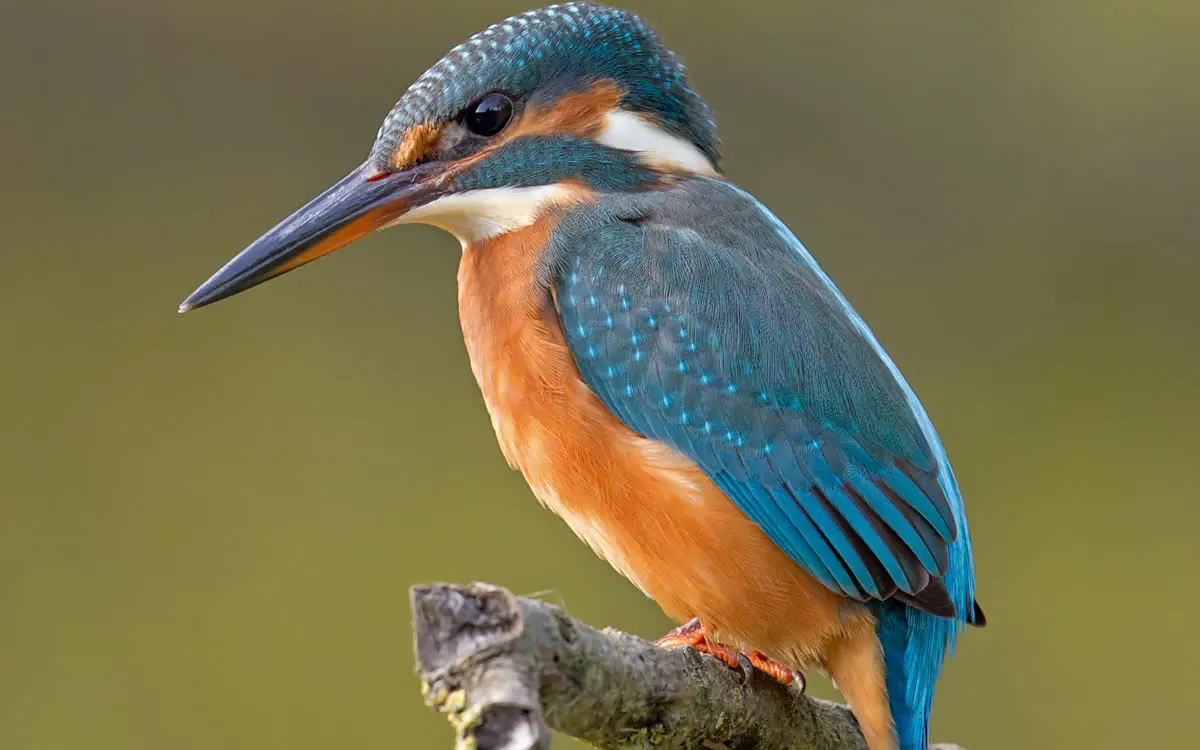
A train sounded like a cannon. A small blue bird held the answer.
Japan's bullet train had the speed. What it did not have was a quiet way into a tunnel.
The shock
Each train pushed a wall of compressed air through the tunnel. When that pressure escaped at the far end, it produced a thunderclap strong enough to disturb entire neighbourhoods.
The unlikely clue
Engineer and birdwatcher Eiji Nakatsu noticed that a kingfisher crosses an even harder boundary - from air into water - at hunting speed, yet creates remarkably little splash.
The translation
Its beak does not meet the new medium as a blunt wall. The long taper lets pressure build gradually. The redesigned train nose borrowed that transition instead of copying a bird for decoration.
The idea worth keeping
When crossing a boundary creates a shock, reshape the transition so change arrives gradually.
You have the essential insight. Choose what feels useful next.
Where next?
Follow your curiosity.
No required path. Go deeper, turn attention into protection, or stay close to the next discovery.
See the full mechanism
Open the complete Blueprint with applications, caveats, and sources.
Go deeper → ProtectHelp the living source
Turn what you felt into a direct, transparent action for nature.
See how to help → JoinStay part of the journey
Receive the next discovery and field story when it is genuinely ready.
Join the community →Curiosity belongs in good company
Join people who want to leave the internet knowing more, feeling better, and closer to the living world. New discoveries and honest ways to help - only when they are worth your time.
By subscribing you agree to our Privacy Policy - we use your email only to send Blueprints, never sold or shared.
One more wild idea?
A shark's skin is rough. So why can roughness sometimes improve flow?