
Menu
Look closer
A shark's skin is rough. So why can roughness sometimes improve flow?
Smooth sounds fast. Nature asks us to look more carefully.
The surprise
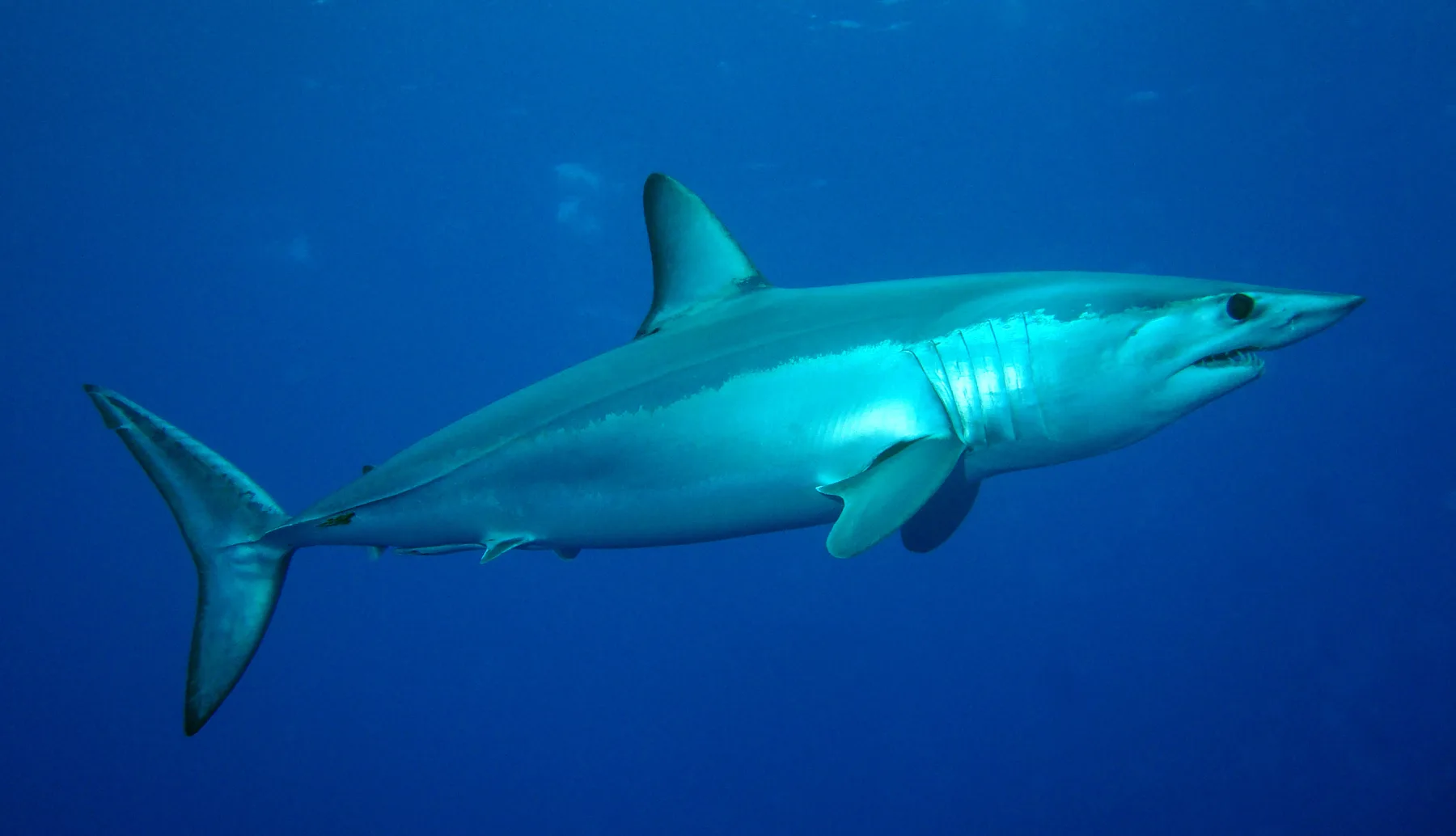
A mako shark does not wear a smooth wetsuit. Its skin is covered in microscopic, tooth-like scales called dermal denticles.
The hidden interaction
Their directional ridges meet the thin boundary layer of water beside the body. A surface is not merely a wrapper - its geometry can influence how flow behaves right at the wall.
The important warning
Roughness is not automatically better. Shape, scale, direction, speed, and conditions must work together. Copying the look without the relationship misses the design.
The idea worth keeping
Do not copy an organism's appearance. Copy the function, then test it in the real conditions.
You have the essential insight. Choose what feels useful next.
Where next?
Follow your curiosity.
No required path. Go deeper, turn attention into protection, or stay close to the next discovery.
See the full mechanism
Open the complete Blueprint with applications, caveats, and sources.
Go deeper → ProtectHelp the living source
Turn what you felt into a direct, transparent action for nature.
See how to help → JoinStay part of the journey
Receive the next discovery and field story when it is genuinely ready.
Join the community →Curiosity belongs in good company
Join people who want to leave the internet knowing more, feeling better, and closer to the living world. New discoveries and honest ways to help - only when they are worth your time.
By subscribing you agree to our Privacy Policy - we use your email only to send Blueprints, never sold or shared.
One more wild idea?
Did a venomous lizard really give us Ozempic? Not quite.