
Menu
The myth correction
Did a venomous lizard really give us Ozempic? Not quite.
The popular story is neat. The true one is more useful.
The fragile signal
Our bodies make GLP-1 after a meal, helping coordinate insulin, appetite, and digestion. But the natural hormone is destroyed within minutes - too quickly to work well as a medicine.
The durable version
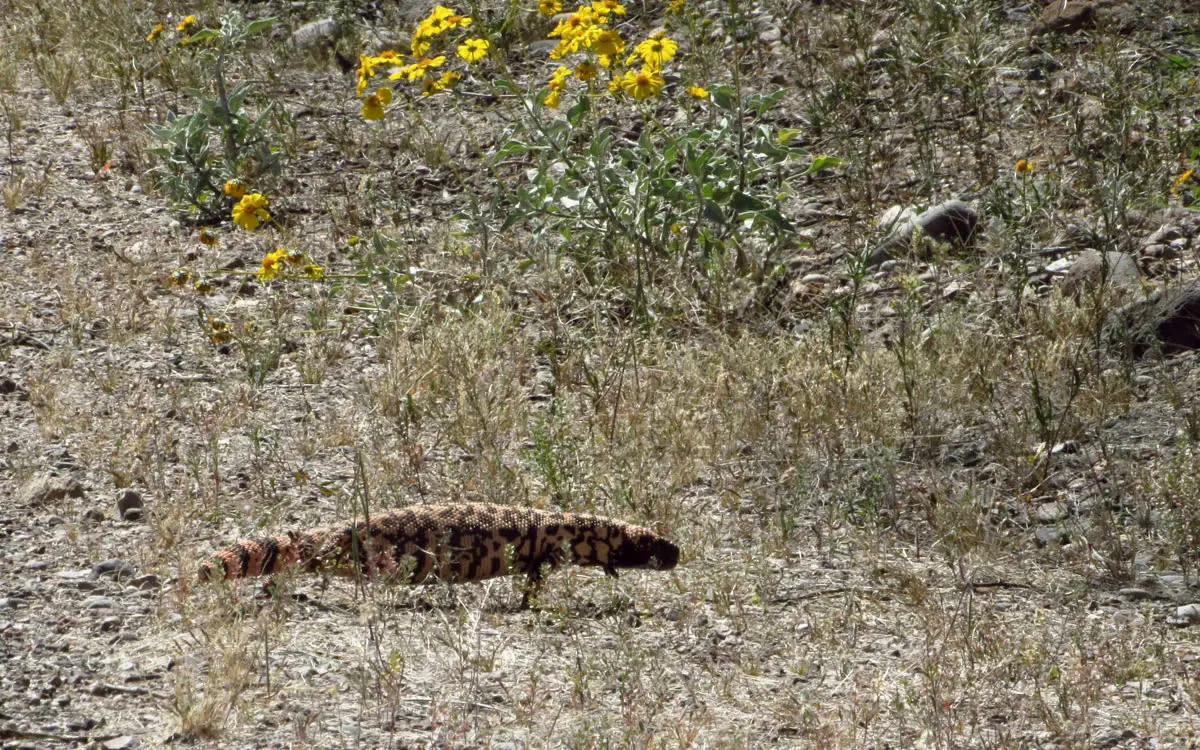
Gila monster venom contains exendin-4. It activates the same receptor while resisting the enzyme that rapidly destroys human GLP-1.
What it actually gave us
Exendin-4 led directly to exenatide, an important diabetes medicine, and helped prove that durable GLP-1-like drugs could work. Ozempic came from different chemistry.
The idea worth keeping
When a useful function fails because it breaks down, study how nature made that function last.
You have the essential insight. Choose what feels useful next.
Where next?
Follow your curiosity.
No required path. Go deeper, turn attention into protection, or stay close to the next discovery.
See the full mechanism
Open the complete Blueprint with applications, caveats, and sources.
Go deeper → ProtectHelp the living source
Turn what you felt into a direct, transparent action for nature.
See how to help → JoinStay part of the journey
Receive the next discovery and field story when it is genuinely ready.
Join the community →Curiosity belongs in good company
Join people who want to leave the internet knowing more, feeling better, and closer to the living world. New discoveries and honest ways to help - only when they are worth your time.
By subscribing you agree to our Privacy Policy - we use your email only to send Blueprints, never sold or shared.
One more wild idea?
A train sounded like a cannon. A small blue bird held the answer.